
Body

Abdominoplasty
A tummy tuck is a procedure which aims to achieve a firmer, well contoured abdominal profile. This is achieved by bringing together separated abdominal muscles as well as the removal of and re-draping of excess skin.This procedure is especially beneficial for people with weakened abdominal muscles and excess abdominal skin which may result after pregnancy or massive weight loss.
During the procedure, an incision is made as low as possible in the lower abdomen. The excess lower abdominal skin and fat are removed, and the belly button is re-positioned. The rectus abdominis (“six-pack”) muscles are tightened. Often, liposuction of the flanks and upper abdomen are done during the same procedure.

Liposuction
Liposuction is a procedure that removes stubborn, unwanted fat in specific areas of the body. During the procedure, the area to be suctioned is first infiltrated with a solution which helps to minimize bleeding and for pain control, whiles at the same time facilitating the procedure. Small incisions are made in concealed areas for the introduction of the liposuction cannulas. The cannulas are attached to a suction machine and the excess fat is suctioned.
Brachioplasty/Arm lift
PROCEDURE:
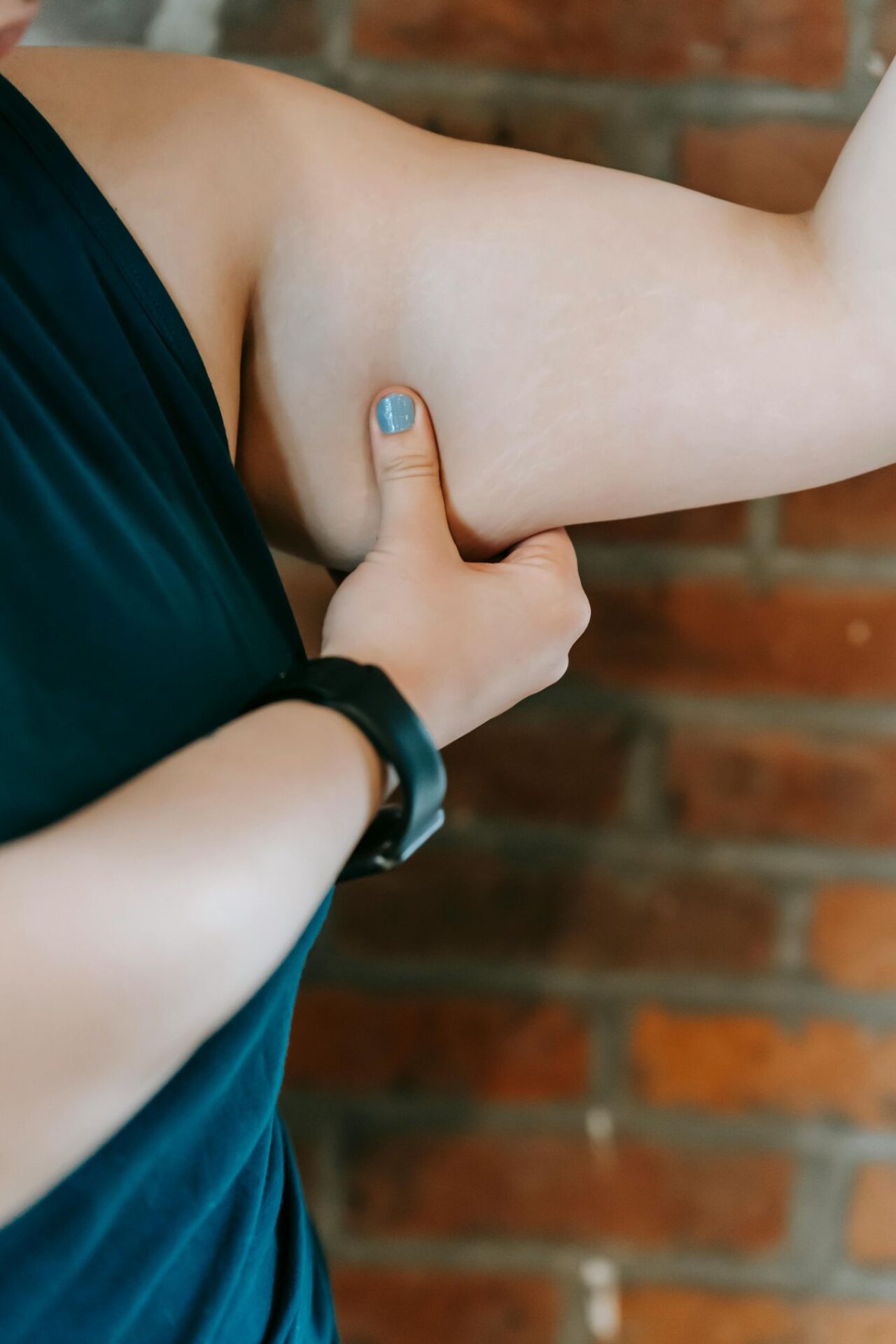
Many people experience sagging of the skin around the upper arm as they age, resulting in a “winged” upper arm appearance. The procedure aims to achieve a more defined upper arm contour through the removal localized fat and tightening of excess skin. An arm lift can be performed alone or in combination with other procedures like breast reduction or tummy tuck.
DESCRIPTION OF THE PROCEDURE:
The procedure is done under general anaesthesia. The exact nature of the procedure depends on the problem that is present. Liposuction may be done as a stand-alone procedure if there is no skin excess and in the presence of healthy elastic skin. Skin excision alone may be done if there is deflated (no fat) and excess only. In most people, a combination of liposuction and surgical excision of the excess skin is necessary. The pattern of skin removal results in a scar extending from the armpit to the elbow. The scar is concealed on the inside of the upper arm.
Thigh Lift
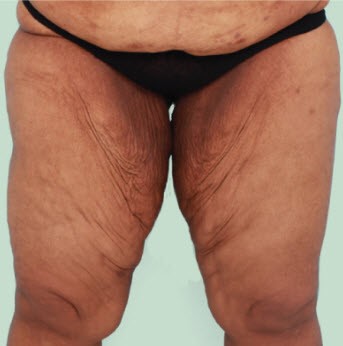
Thigh lift surgery is a procedure that aims to reshape the thighs through the removal excess skin and fat. The end result is a smoother skin and better-proportioned contours of the thighs.
DESCRIPTION OF PROCEDURE:
Incision patterns used for the procedure are strategically placed to conceal your scar. The scars will vary based on the area or areas to be targeted and the degree of correction required. The scar may be limited in the groin region or may extend down to the knee, which are called limited thigh lift and extended thigh lift respectively. The procedure may be combined with liposuction in order to remove excess fat.
Breast Surgery

Breast Reduction
Breast reduction is a procedure which aims to achieve a youthful breast appearance through the removal of excess breast skin and underlying breast tissue and lifting the nipple position to a new position.
Depending the severity of breast droopiness/ptosis, the procedure can be achieved via a short scar (lollipop scar) or wise pattern (anchor scar) technique.

Breast Augmentation
Breast augmentation is a procedure which aims to enhance the breast size through the placement of a medical grade silicone implant under the breast. Depending on how much breast tissue you have, the implant may be placed under the muscle (sub-muscular) or above the muscle (sub-glandular).
Although there are multiple approaches for implant placement, the commonest ones are through incisions made either under the breast or around the areola. Breast augmentation may be combined with mastopexy/breast lift.
Mastopexy/Breast Lift
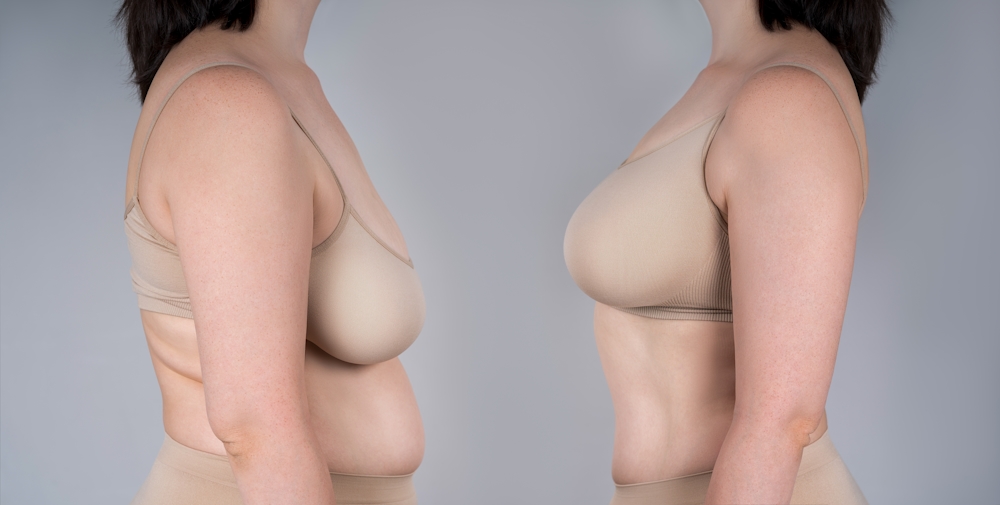
Mastopexy or breast lift is a procedure that is performed to improve droopy or saggy breasts through removal of excess skin and re-positioning of nipple and areola. This allows reshaping of the breast, resulting in a more youthful, “perky” breast appearance.
Incisions result in a lollipop or anchor-type scar depending on how much skin needs to be removed. In certain cases this procedure can be combined with a silicone implant or the two procedures may be done seperately.

Male Breast (Gynaecomastia) Reduction
Male breast reduction is a procedure that is used to treat gynaecomastia, a condition in which male patients exhibit overdeveloped breasts. This can have significant psychological effects, as well as effects on the self-esteem of those affected. Depending on the excess tissue that is present, the procedure may be done through liposuction, resection of glandular (breast) tissue or a combination of both. In severe cases, it may be necessary to remove excess skin. The decision on which approach to use will be discussed during your consultation with Dr. Asafo-Adjei.

Nipple Reduction/Inverted Nipple Correction
NIPPLE REDUCTION
Enlarged nipples/nipple hypertrophy may cause some embarrassment to some patients due to difficulty concealing enlarged nipples under light clothing. For these patients, shortening the nipple length, restores harmony between the diameter size and projection of the nipple.
Pre-operatively, the desired height of the new nipple is measured. A circumferential line at the desired new base is drawn on the nipple. Another circumferential line is drawn at the current base. The excess skin between these 2 lines is removed. Stitches are put in between the first circumferential and second circumferential line to close the gap that results from the removal of this skin and reduce the nipple. The ducts within the nipple are not removed, therefore the procedure does not affect your ability to breast feed. The entire procedure often takes no longer than one hour, and can be performed alone or at the same time as a breast lift or breast reduction.
INVERTED NIPPLE
Besides the cosmetic concern which results from inverted nipples, there can also be functional difficulties, making it difficult to breastfeed. If your nipples are drawn into the areola, an inverted nipple procedure is a minor surgery that can correct this. This can be done by releasing the overly tight ducts of the nipples. The procedure can be performed under either local or general anaesthesia.
Face

Eyelid Surgery/Blepharoplasty
PROCEDURE:
Upper or/and lower blepharoplasty
DESCRIPTION:
During the ageing process, the upper eyelids develop excess skin. There could also be bulging fat or decrease fat which results in a hollow appearance.
Blepharoplasty may involve removal of excess skin and fat, with special care taken not to remove too much fat that results in hollowing of the eyelids. The procedure may be done under local or general anaesthesia.
In the lower eyelids, loss of skin elasticity results in excess skin. The lower eyelid could also develop bulging fat, resulting in “baggy” eyes. These can also be addressed with lower eyelid blepharoplasty.

Lipofilling/Fat Fills
PROCEDURE:
Fat grafting/filling for volume enhancement of the face.
DESCRIPTION:
Facial fat transfer can be an effective way to revitalize your facial appearance. During the procedure, liposuction is done, where fat is taken from areas with excess fat such as the abdomen or the thighs. The fat is then transferred to the face as a natural filler. This procedure has the following effects:
- Improves scarring and acne scars.
- Enhancement of facial contours.
- Replenishes lost volume, and stimulates collagen production.
Facial fat transfer also has the following advantages:
- The results generally last longer than volume-enhancing dermal fillers.
- The area where fat is harvested from can be simultaneously contoured.
- There is no risk of an allergic reaction from fat transfer as it is your own tissue.
The effects of lipofilling are permanent, however multiple sessions may be required to achieve the desired results as up to 40% of the fat injected may be resorbed.

Otoplasty
Otoplasty is a surgical procedure done on the ear in order to address the positioning, shape, and proportions of the ear. The procedure may be necessitated by congenital abnormalities or injury to the ear.
It can be done if the following scenarios are present:
- Large, protruding ears.
- Asymmetrical (unequal) ear shape.
- Ears that are oddly shaped due to injury or birth defects.
- Earlobes that are abnormally shaped or split by earrings.
Non-Surgical Procedures
Botox
DESCRIPTION:
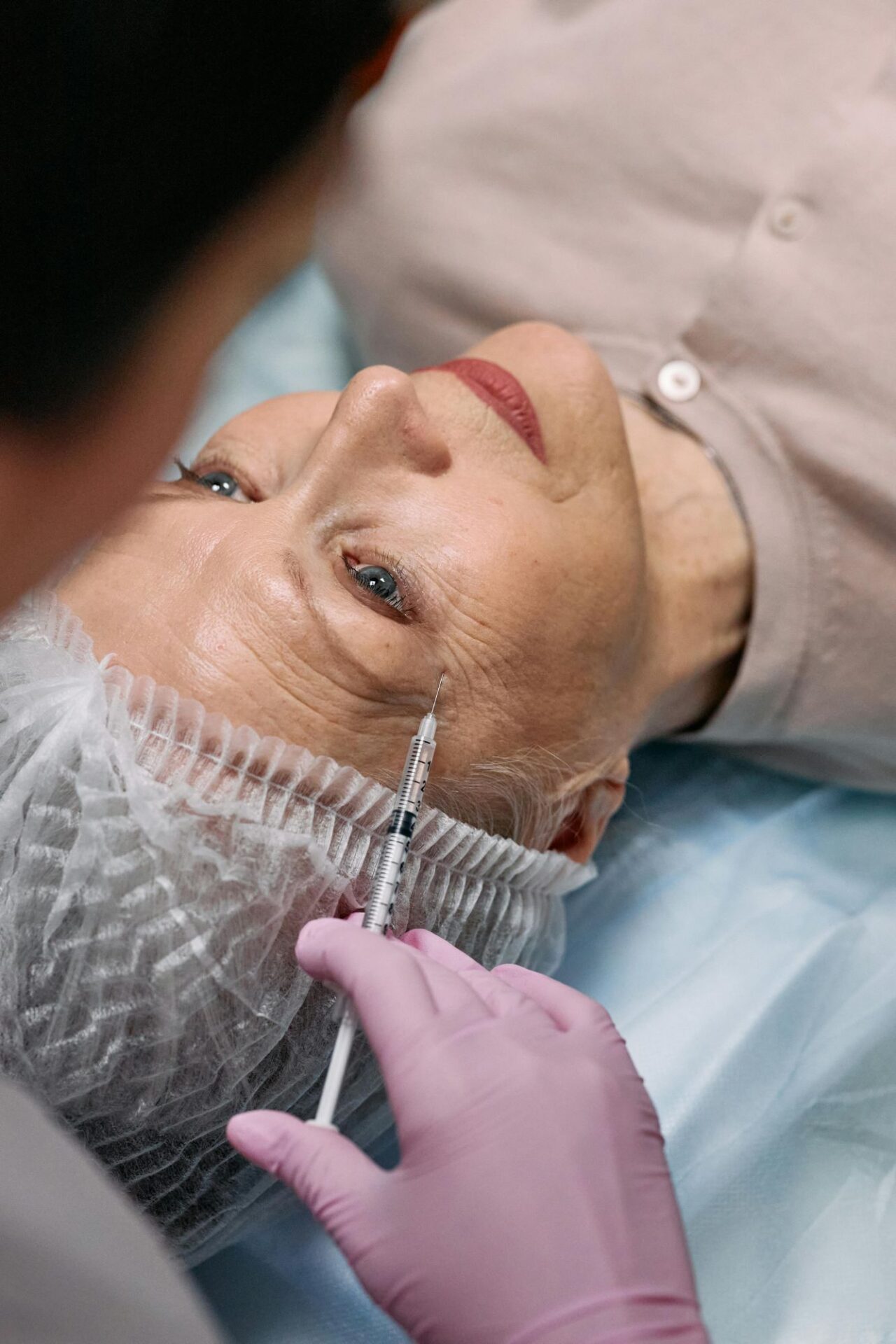
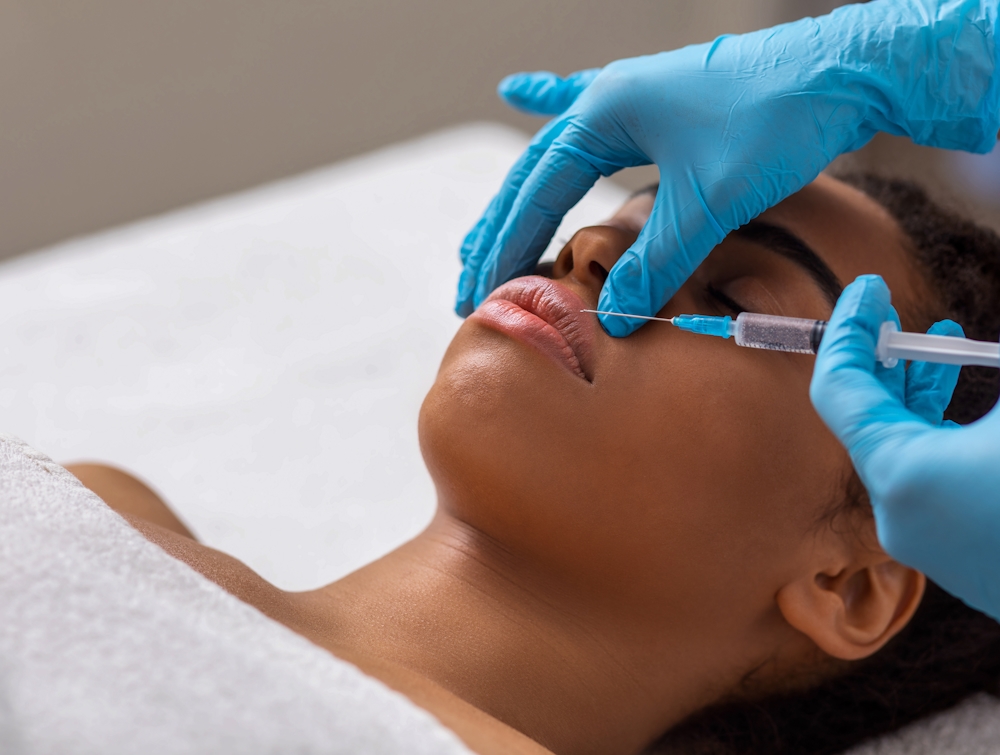
Repetitive facial expressions may result in wrinkles which can deepen over time. Botox is an injection which is administered to temporarily improve the look of moderate to severe forehead lines, crow’s feet lines, and frown lines between the eyebrows in adults. Botox acts by relaxing the muscles whose actions cause wrinkles to deepen, thereby reducing the appearance of wrinkles. Botox is also used to treat a condition called hyperhydrosis (excessive underarm sweating).
PROCEDURE:
Based on the areas to be treated, the injection is strategically placed in certain points in order to act on the muscle/s that are to be targeted. The injection paralyzes the underlying muscles, which are responsible for the formation of the overlying wrinkles in the skin. Injections of botox usually take 15 to 30 minutes at most.
Injectable Fillers
During the ageing process, a lot of the signs that present are as a result of volume loss and loss of elasticity in the skin. Dermal fillers can play an important role in the restoration of lost volume, resulting in a more youthful appearance.
WHAT ARE DERMAL FILLERS AND HOW ARE THEY ADMINISTERED?
The procedure is regarded as non-surgical in nature and is performed in the consulting rooms. A local anaesthetic cream is applied to the face to prevent pain. Dermal fillers are gel-like substances that are injected under the skin in order to restore lost volume that occurs with age. Most fillers that are used today are hyaluronic acid derivatives. There are various types of hyaluronic acid fillers of differing consistencies which dictate which part of the face they are best suited for. The results are immediate, but often get better with time as the hyaluronic acid absorbs water and expands. The results for hyaluronic acid fillers last for 6 to 8 months, depending on what type of filler is used.
Reconstructive Surgery
Breast Reconstruction
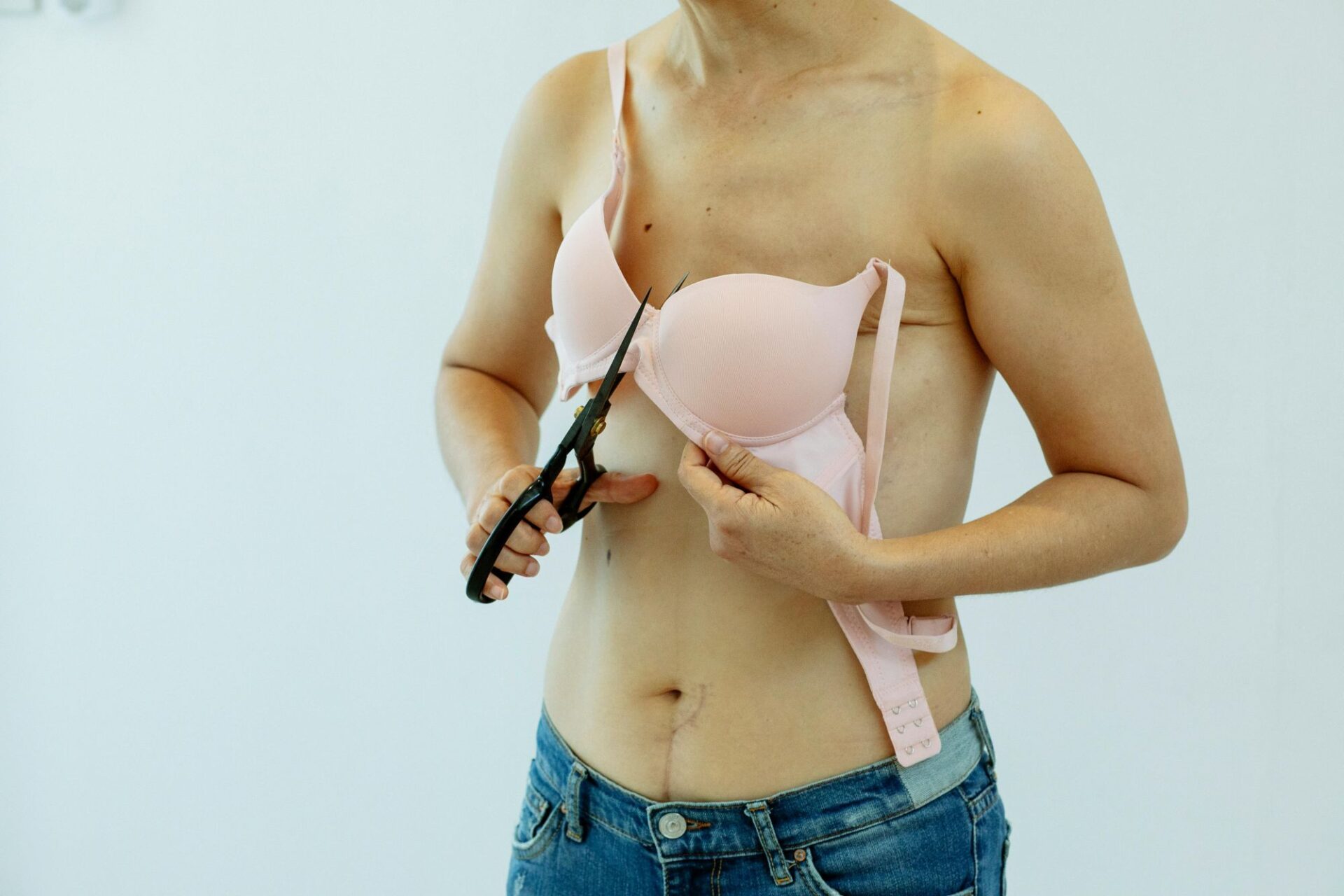
Breast reconstruction is often necessary after mastectomy (removal of breast tissue) which is done in cases of breast cancer or risk reduction surgery. Currently, majority of mastectomies that are done either spare the breast skin alone (skin-sparing mastectomy) or the breast skin and nipple (nipple-sparing mastectomy).
The goal of breast reconstruction is to restore and even enhance the appearance and shape of one or both breasts..
Breast reconstruction can be done at the time of the mastectomy (immediate reconstruction) or after a few months (delayed reconstruction).
The type of reconstruction done will either use your own tissue, breast prosthesis or a combination of both your own tissue and prosthesis.
The options for reconstruction are as follows:
Breast prosthesis/Implants: After the mastectomy, implants are placed in the resultant empty breast pockets which are shaped to achieve a natural breast shape.
Autologous breast reconstruction: In this case your own tissue is used to fill the empty breast pocket that results from mastectomy. These tissues that are used for autologous breast reconstruction can be taken from the abdomen, thigh, buttocks and back. An example of this is the DIEP flap which is harvested from the abdomen.
Combination: Sometimes, a breast implant is used for volume and your own tissue is used to cover the breast implant. This tissue is harvested from your back and is called a latissimus dorsi flap.
Breast Conserving Surgery and Contralateral Symmeterisation: More and more, breast cancer surgery is leaning towards preserving as much of your normal breast tissue as possible. In some instances, your breast surgeon may decide to remove the cancerous breast lump with some surrounding normal breast tissue. This may leave a breast defect that requires reconstruction by a plastic and reconstructive surgeon. Plastic surgeons have a good understanding of the blood supply to the breast and are able to move tissue from the same breast to reconstruct this defect without compromising the viability of the tissue.
In some case, it may be necessary to operate on the other (contralateral) breast in order to achieve symmetrical breasts.
Nipple-Areolar Complex Reconstruction
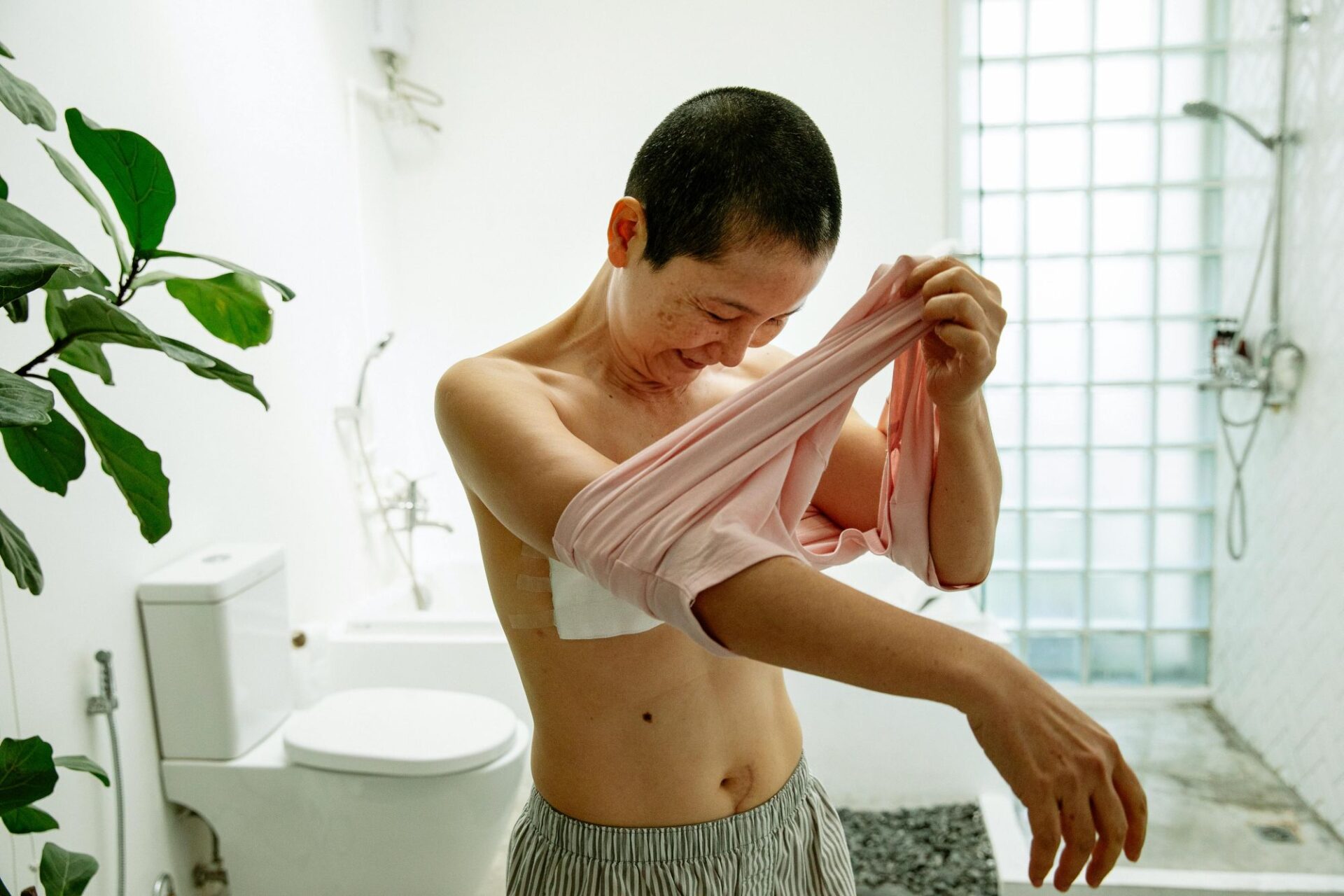
In scenarios where the nipple is removed during your mastectomy, the nipple can be reconstructed via several techniques usually involving folding skin on the reconstructed breast mound to create the shape of a nipple. If the other breast has excess areolar skin, part of it may be harvested and placed around the reconstructed nipple to create a new nipple-aereolar complex.
An alternative to complete surgical reconstruction of the nipple-aereolar complex is to reconstruct the nipple and tattoo an areolar around. For a completely non-surgical option, three-dimensional nipple-areolar tattooing may also be done to create the appearance of a realistic nipple with the illusion of projection.
Skin Cancer Surgery

Skin Cancer Surgery
Skin cancer commonly occurs in sun exposed areas, but can also occur in areas not often exposed to the sun. Although there are multiple types of skin cancers, three types namely basal cell carcinoma, squamous cell carcinoma and melanoma are predominant.
WHAT ARE THE TYPES OF SKIN CANCER?

Scar Revision
Scar revision surgery is surgery that aims to minimize a scar so that it blends in with the surrounding skin tone and texture. Although scar revision can significantly improve and conceal unsightly scars, it is important to note that scars cannot be completely erased.
Scars are inevitable outcomes of injury or surgery and remain after a wound has healed. However, some scars may appear unsightly or distort adjacent structures. This is particularly the case for scars that develop from wounds that complicate during the healing process.
TYPES OF ABNORMAL SCARS
Hypertropic scars: are raised/thickened scars that remain within the confines of the wound site.
Keloids: are scars that grow beyond the confines of the initial wound. They are larger than hypertropic scars and may be painful or itchy. They develop more commonly where there is little underlying fatty tissue, such as on the face, neck, ears, chest or shoulders.
Contractures: During the healing process, scars may contract and restrict movement. This occurs commonly in deep burns, especially those crossing over a joint. This can cause severe functional limitations.
Lower Extremity Reconstruction
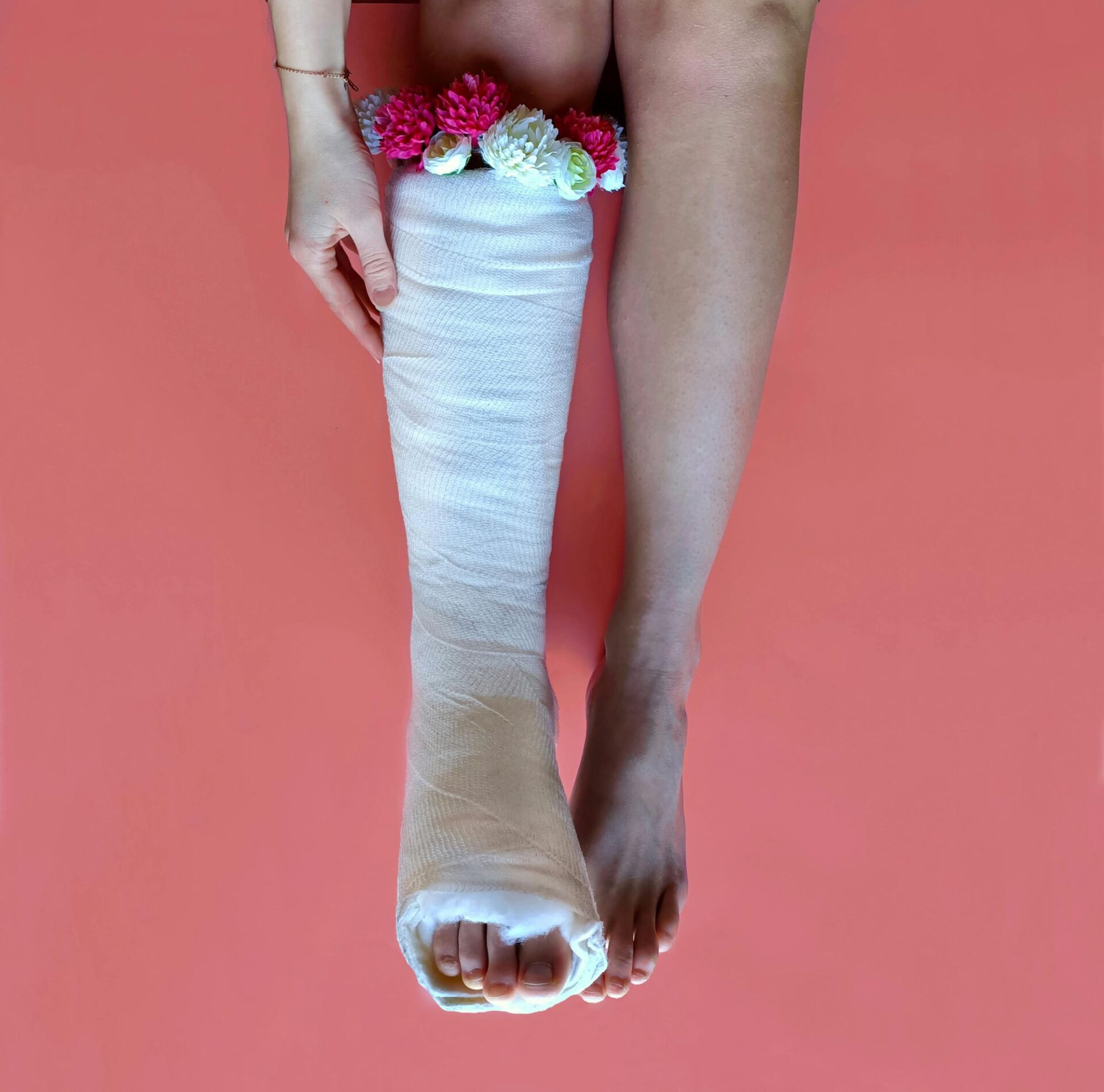
Lower limb reconstruction in nessecitated by the presence of the following conditions:
- Tibia bone fractures with loss of skin and soft tissue
- Chronic osteomyelitis (bone infection)
- Bone and soft tissue tumors
RECONSTRUCTION TECHNIQUES
- Fasciocutaneous flaps: In this procedure, the skin adjacent to the defect is moved into the defect to provide cover. The area where the skin is moved from is then covered with a skin graft.
- Muscle flaps: In this procedure, certain muscles in the leg, such as your calf muscles are used to cover a deep defect that goes down to you bone. The muscle covering the defect is then covered with a skin graft that is harvested from your thigh. The area where the muscle is moved from is closed with sutures.
- Free tissue transfer/ Microsurgery: In some situations, the above options for soft tissue cover in the injured leg may not be available (e.g. injured or previously used in an unsuccessful procedure). In this scenario, tissue with its own blood supply will be harvested from your thigh or upper back and attached to blood vessels in your leg. This is a more complex procedure and requires a microscope for magnification. The area where the tissue is harvested from is often closed with suturing, but may require skin grafting if this is not possible.